Geopolitical intelligence risk advisory firm Global Situational Awareness, has released a new analysis, detailing the implications on the recent US strikes in Southern Iran, and how limited US military action has raised pressure around the Strait of Hormuz without yet ending the diplomatic track. It notes how Hormuz is no longer only a shipping issue, how negotiations continue, but the deal is becoming more difficult, and more. Below is an extract, with the full piece available for download.
The US strikes against Iranian missile launch sites and boats allegedly attempting to lay mines in southern Iran should not immediately be read as the collapse of diplomatic efforts. They are better understood as a contained military exchange taking place alongside continuing negotiations in Qatar.
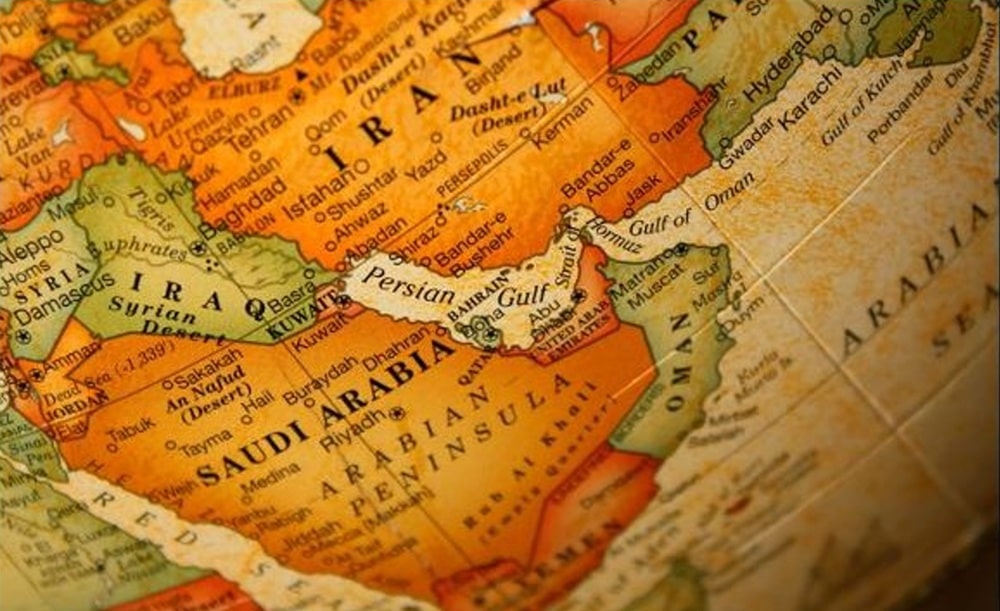
Importantly, the incident is directly linked to the security of the Strait of Hormuz. CENTCOM stated that its forces conducted self-defence strikes to protect US personnel from threats posed by Iranian forces, including boats attempting to emplace mines and missile launch sites in southern Iran. This places maritime access, rather than only the wider conflict, at the centre of the current escalation.
Iran’s Islamic Revolutionary Guard Corps subsequently claimed it had downed a US MQ-9 drone and fired on an RQ-4 drone and an F-35 after they allegedly entered Iranian airspace. These claims have not been independently confirmed, but they illustrate how quickly limited operations around southern Iran can generate further military friction. That distinction matters.
Neither side has, at this stage, publicly signalled an intention to abandon negotiations or deliberately widen the exchange. US Secretary of State Marco Rubio has said that an agreement may take several more days, while maintaining that President Donald Trump will accept a good deal or no deal. Iranian officials remain in Doha as discussions continue.
The significance of the strikes is therefore not simply that US forces acted against Iranian targets. It is that military pressure and diplomacy are now operating at the same time, in the same strategic space, and around the same unresolved issue: whether the Strait of Hormuz can be reopened and remain secure without granting Iran unacceptable influence over commercial navigation.
This is also why reported Iranian consideration of a fee for “navigation services” would be highly sensitive for Gulf states and international shipping interests. Any arrangement that appeared to legitimise Iranian charging mechanisms or selective influence over transit would be difficult for the US and regional stakeholders to accept.
The immediate picture is therefore one of managed tension rather than resolution. The military incident has not ended the talks, but it has shown that the maritime security question cannot simply be deferred while the broader political agreement is negotiated.
Hormuz is no longer only a shipping issue
The Strait of Hormuz is now central to both the military and diplomatic dimensions of the conflict. The alleged mine-laying activity demonstrates that the waterway remains exposed to disruption even while negotiators discuss a possible ceasefire framework.
For the GCC, this matters because any renewed restriction on transit would immediately affect energy exports, shipping confidence, insurance requirements, port planning and the wider perception of Gulf security. A successful diplomatic agreement must therefore address not only a pause in strikes, but the practical safety and predictability of commercial passage.
Oil markets have already reflected this uncertainty. Prices initially fell sharply on expectations of progress towards a US-Iran agreement and possible restoration of flows through Hormuz. However, prices recovered after the US strikes reduced confidence in an imminent settlement, with Brent rising to around US$99.40 per barrel in early trading on 26 May after dropping by approximately 7% the previous day.
That movement is important. It shows that markets are responding less to formal outcomes than to rapidly shifting perceptions of whether the strait can operate safely. Until shipping access is both agreed politically and secured operationally, energy-price volatility is likely to continue.
Negotiations continue, but the deal is becoming more difficult
The indirect negotiations in Qatar remain the most important channel for preventing the military exchange from widening. Iranian representatives, including senior political and diplomatic figures, are reported to be participating in talks focused on ending the conflict and resolving the future of access through the Strait of Hormuz.
However, there is no confirmed agreement and the reported gaps remain substantial. Iran continues to seek access to frozen funds and relief from pressure measures, while the US appears reluctant to offer significant sanctions or asset-release concessions during an initial phase of any ceasefire arrangement.
The nuclear issue is also becoming more difficult to contain within the talks. Trump has stated that Iran’s enriched uranium must either be transferred to the US for destruction or destroyed in place, or at another acceptable location, under witnessed supervision. Iran has reportedly rejected surrendering its highly enriched uranium, meaning that one of the most politically sensitive elements of any wider settlement remains unresolved.
Iran is also seeking to incorporate a ceasefire in Lebanon into any wider deal, while Israel has intensified operations against Hezbollah. Israel’s demand to maintain freedom of action against Hezbollah is therefore likely to conflict directly with Tehran’s attempt to fold Lebanon into a broader regional settlement. Gulf News reported that Israel had issued evacuation warnings for Nabatiyeh and intensified operations in Lebanon on 26 May.
This means the negotiating process is no longer restricted to ending US-Iran hostilities. It now intersects with Iran’s nuclear programme, maritime access through Hormuz, frozen assets, US sanctions policy, Israeli operations in Lebanon and the future of regional political alignment.
Download the full piece below
For more Middle East news, click here