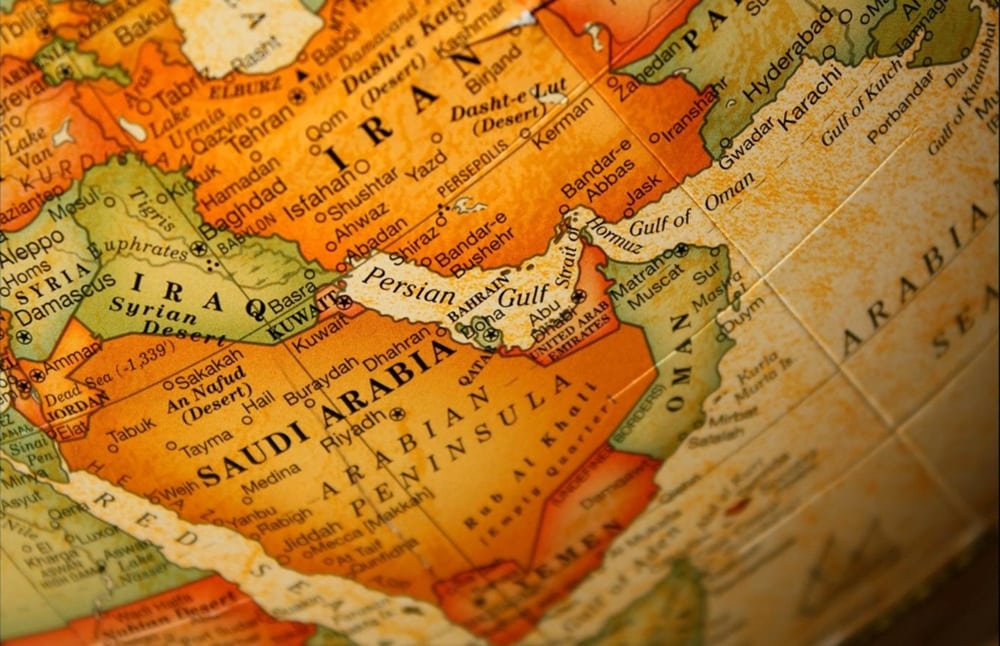
In a GCC Alert for July 13, Global Situational Awareness, details how the regional strike cycle has continued into today, with Kuwait confirming direct attacks against three border posts and an offshore oil drilling platform. A hostile drone struck the offshore platform, injuring one person, marking a further expansion of the current Iranian attack pattern from military-linked facilities and airspace incursions to energy infrastructure.
The UAE has strongly condemned the attacks on Kuwait, while Kuwait has separately condemned Iranian actions and continues to maintain an elevated national security and air-defence posture.
Oman has summoned an Iranian diplomat following drone strikes in Musandam and Al Wusta. The incidents are particularly significant given Musandam’s position overlooking the Strait of Hormuz and Oman’s continuing diplomatic role between Iran and the United States.
Fresh missile alert sirens sounded twice in Bahrain on Monday, with no immediate confirmation of damage. Iranian attacks over the previous 24 hours have extended across Bahrain, Kuwait, Qatar, Jordan and Oman.
The United States has carried out a further round of strikes against dozens of Iranian military targets, including air-defence systems, radar sites, missile and drone equipment and small boats. US Central Command continues to state that the Strait of Hormuz remains open and that Iran does not control the waterway.
Iran continues to reject the US position and asserts that it has authority over maritime traffic through the Strait. Commercial traffic remains reduced, while vessels using the southern transit route close to the Omani coastline continue to face an elevated threat.
Forecast
• The threat to Kuwaiti energy and offshore infrastructure has increased. The confirmed drone strike on an offshore drilling platform indicates that exposed energy assets may now face direct attack risk alongside US-linked military facilities.
• Oman should remain on heightened watch. Confirmed drone activity in Musandam and Al Wusta places Iranian attacks close to strategically important maritime and logistics infrastructure and further complicates Muscat’s intermediary role.
• Further missile and drone alerts are likely across Bahrain and Kuwait, while Qatar and the UAE remain exposed to renewed interception activity if Iran continues retaliating against states hosting or supporting US military operations.
• Maritime operators should continue to treat the Strait of Hormuz and approaches to Oman’s northern coastline as a high-threat environment. The conflict over who controls transit through the Strait remains the principal trigger for further US-Iran escalation.
• The regional risk picture is deteriorating. The strike pattern is widening from commercial vessels and military facilities to border positions and offshore energy infrastructure, increasing the likelihood of economic disruption and unintended casualties.
Download the full piece below
For more Middle East news, click here