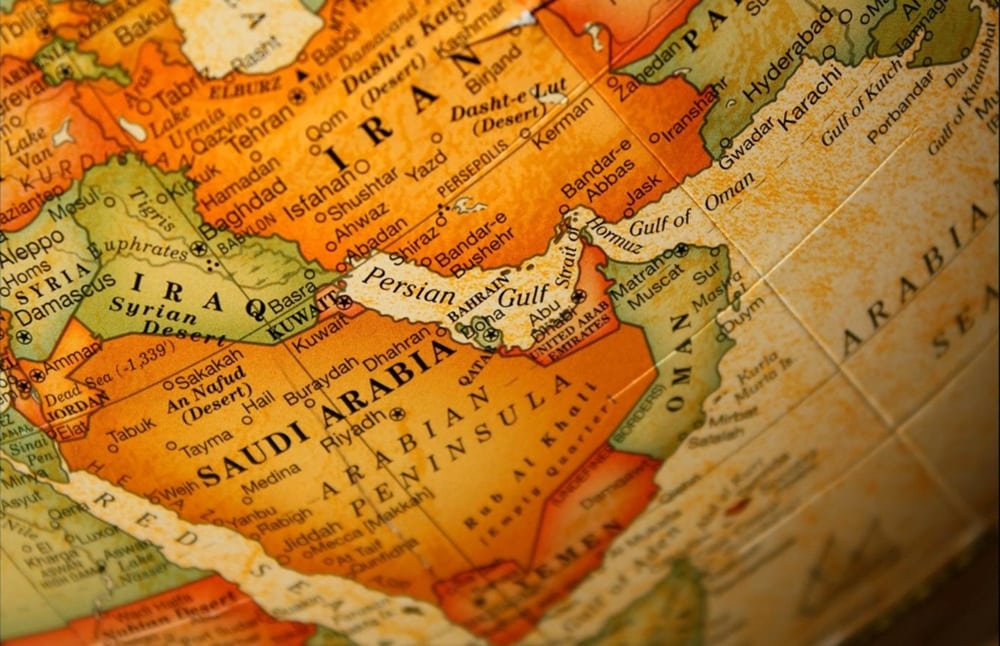
In a GCC Alert on July 18, Global Situational Awareness, details how Iran-US operations, Houthi activity and false reporting require heightened caution. It notes how the regional strike cycle intensified again on 18 July 2026. US Central Command said it completed a seventh consecutive night of strikes against Iranian surveillance sites, military logistics infrastructure, underground weapons storage and maritime capabilities. Reports that dozens of additional US refuelling aircraft are being sent to Israel indicate preparation for sustained or potentially expanded operations.
Kuwait remains the most exposed GCC state. Iranian drones struck several Kuwaiti military facilities on 17 July 2026, injuring military personnel. A separate attack damaged a power and water desalination plant, causing a fire and damage to multiple electricity-generation units. On 18 July 2026, Kuwait again engaged hostile missile and drone threats and temporarily closed its airspace, disrupting Kuwait Airways operations.
Bahrain has continued to activate warning sirens and intercept Iranian aerial attacks. Iranian claims that a US unmanned-systems depot and artificial-intelligence centre were destroyed in Bahrain remain unverified and should not be treated as confirmed damage without Bahraini or US corroboration.
Saudi Arabia faces two distinct threat channels. Saudi air defences intercepted Houthi ballistic missiles on 13 July, prompting broad regional condemnation. This demonstrates that the Yemen front can reactivate while Iran-US exchanges continue, creating a risk of overlapping attacks from the south and east.
A report on 18 July 2026 claimed Iran fired a ballistic missile at a US base in Saudi Arabia. Saudi authorities subsequently indicated that warnings in Al-Kharj and Yanbu had passed, and no confirmed strike or damage was announced. The initial report should therefore be treated as unconfirmed rather than evidence of a successful Iranian attack.
The UAE has not announced a confirmed attack in the latest sequence, but the information environment has become an operational concern. Dubai authorities denied social-media reports of explosions in Downtown Dubai on 16 July 2026 and warned that action would be taken against media institutions publishing false information.
The false Dubai explosion report shows how unverified posts, recycled footage and rumours can create unnecessary movement, anxiety and business disruption even when no security incident has occurred. Personnel should rely on official UAE government, police, civil-defence and recognised media channels before acting on online claims.
Maritime risk remains elevated. Iran says the IRGC Navy stopped four vessels it described as violating its transit rules, while the US says it redirected commercial vessels as part of its blockade enforcement. Competing enforcement regimes around Hormuz increase the risk of interception, delay, miscalculation and contradictory reporting.
Diplomatic pressure has not stopped escalation. China and Pakistan called for an immediate return to talks, but military preparations, continuing US strikes and Iranian retaliatory messaging indicate that the near-term operating environment remains unstable.
Operational Warning and Outlook
Warning level: heightened caution across GCC locations for the next 24–72 hours.
Short-notice missile or drone alerts, interception sounds, falling debris and temporary airspace restrictions remain possible, particularly in Kuwait, Bahrain and eastern Saudi Arabia.
Saudi Arabia should be monitored for renewed Houthi launches as well as any independently confirmed Iranian activity. The Houthi attack earlier this week broadens the threat picture beyond direct Iran-US retaliation and could place Red Sea, western-coast and inland infrastructure under renewed pressure.
UAE-based personnel should not treat reports of explosions, air-defence activity or infrastructure damage as confirmed solely because they circulate widely online. Do not forward unverified videos or location claims. Check official statements and maintain normal operations unless authorities issue specific instructions.
During any confirmed warning or interception activity, remain indoors where possible, move away from windows and exposed areas, and do not approach or photograph debris. Organisations should confirm staff accountability and ensure emergency contact trees remain current.
Aviation travellers should reconfirm flights before departure and allow for short-notice schedule changes. Kuwait’s temporary airspace closure illustrates how defensive activity can immediately affect regional routes even when airports elsewhere remain open.
Maritime operators should maintain enhanced monitoring for Hormuz routing instructions, vessel interceptions and conflicting US-Iran claims. Any further boarding, disabling or attack on commercial shipping would likely trigger another rapid military response and wider transport disruption.
Download the original report, here
For more Middle East news, click here