In a GCC Alert released today, June 8, Geopolitical intelligence risk advisory firm Global Situational Awareness details how the Red Sea blockade threat is now part of a wider multi-front escalation: A controlled conflict is becoming harder to contain as Iran, Israel, Hezbollah and the Houthis test new thresholds. The report covers how maritime navigation, airspace disruption and energy infrastructure risk expands regional exposure, and offers details about this escalation and what it means. Below is a short extract with the full report available for download.
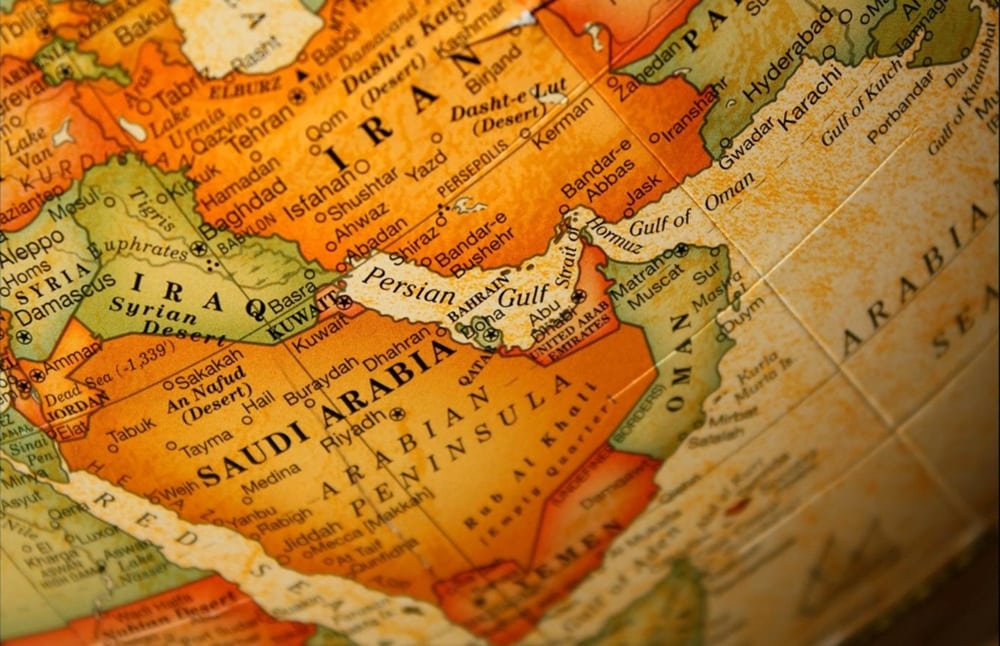
The latest escalation across the Middle East should not be read as a single isolated exchange between Israel and Iran. It is better understood as a widening regional pressure cycle linking Lebanon, Iran, Israel, Iraq, Yemen, the Red Sea, Bab al-Mandeb, aviation networks and energy infrastructure.
On June 7, 2026, Israel conducted an airstrike on Dahiyeh in southern Beirut, an area closely associated with Hezbollah. The strike reportedly killed at least two people and wounded 11. Israeli Prime Minister Benjamin Netanyahu and the Israeli defence establishment framed the action as a response to Hezbollah fire toward Israel.
Iran then launched approximately 10 ballistic missiles at Israel late on 07 June, in what appears to be the first direct Iranian missile attack against Israel since the 08 April ceasefire. Israeli air-defence systems were activated, sirens sounded across parts of central and southern Israel, and no major damage or casualties were initially reported.
The Iranian attack appeared designed to signal deterrence rather than cause strategic destruction. The limited scale, the lack of major reported damage and the language used by the Islamic Revolutionary Guard Corps suggest Tehran wanted to demonstrate that Israeli strikes on Lebanon and Iran would not go unanswered, while still avoiding an uncontrolled escalation.
Israel has already moved into response mode. Prime Minister Netanyahu is expected to convene the Security Cabinet following the renewed exchanges, while Israel has also reportedly struck Iranian targets, including a petrochemical facility in Mahshahr in southwestern Iran. Iranian officials reported partial damage to the industrial complex and no confirmed casualties at the initial stage.
This matters because energy infrastructure is now being pulled more directly into the conflict environment. Even limited strikes against petrochemical facilities can affect market sentiment, insurance calculations, supply-chain confidence and the perception of risk around Gulf energy flows.
The Houthis have now added a maritime dimension to the escalation. Yemen’s Houthi movement announced a “complete and total” ban on Israeli maritime navigation in the Red Sea and said Israeli-linked vessels in the waterway would again be targeted. The group also warned that it would “respond to escalation with escalation”.
This creates a direct risk to Red Sea and Bab al-Mandeb traffic, particularly for vessels assessed by the Houthis as Israeli-owned, Israeli-linked, bound for Israel, or connected through ownership, management, cargo, chartering or destination. The definition of “Israeli-linked” has previously been applied broadly and unpredictably.
The immediate picture is therefore not only one of renewed Iran-Israel missile exchanges. Within a short period, the crisis has expanded to include an Israeli strike in Beirut, direct Iranian missile launches at Israel, Israeli strikes inside Iran, Iraqi airspace closure, militia warnings against US bases, and a Houthi threat to impose a maritime blockade in the Red Sea and Bab al-Mandeb.
For more Middle East news, click here